Warning! Web API Url is not set for the Speaker Bios.
 Luis Ãlvarez-Vallina, PhD, Head, H12O-CNIO Cancer Immunotherapy Clinical Research Unit, Spanish National Cancer Research Centre (CNIO)
Head of Cancer Immunotherapy Unit
Spanish National Cancer Research Centre (CNIO)Luis Ãlvarez-Vallina (LAV) attended Medical School at Oviedo University (Asturias, Spain). He completed a Medical Residency in Immunology and earned a PhD in immunology from Autonoma University of Madrid working on T cell development in the human thymus. He completed a three-year postdoctoral fellowship at the Medical Research Council Center for Protein Engineering in Cambridge (UK), supported by an Individual Marie Curie Postdoctoral Fellowship from the European Commission, under the supervision of Robert E. Hawkins and Sir Gregory Winter (2018 Chemistry Nobel Laureate). LAV contributed to the first generation of chimeric antigen receptors (CAR) bearing costimulatory domains (CD28). This finding represents a milestone in the evolution of the CAR concept. In 1998 he obtained a position as Deputy Head (Consultant) at Hospital Universitario Puerta de Hierro in Madrid and established his own research group. In 2005 he obtained a permanent position and in 2006 he was appointed Head of the Molecular Immunology Unit. In 2014 he joined the University Aarhus in Denmark as Associated Professor at the Department of Engineering (Biological and Chemical Engineering) where he led the Immunotherapy and Cell Engineering laboratory. In 2022 is appointed a Head of the Hospital Universitario 12 de Octubre/Spanish National Cancer Research Centre (CNIO) Cancer Immunotherapy Clinical Research Unit. LAV is a co-founder and scientific advisor of LeadArtis a biotechnology company based in Madrid (Spain) that develops targeted drugs based on its proprietary Trimerbody® protein engineering platform, and STAb Therapeutics an immune-oncology spin-off company based on the “STAb-T strategy†for cancer immunotherapy.
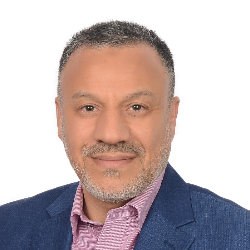 Abdelilah Aboussekhra, PhD, Principal Scientist, Molecular Oncology, King Faisal Specialist Hospital & Research Center
Principal Scientist
King Faisal Specialist Hospital & Research CtrAbdelilah Aboussekhra is currently Principal Scientist at the King Faisal Specialist Hospital and Research Center, Riyadh. He is head of the Cancer Biology and Experimental Therapeutics Section and Chairman of the Molecular Oncology Department at the Research Center. He obtained his Ph.D. degree in Jun 1992 from Orsay University (Paris XI). He joined King Faisal Specialist Hospital and Research Center as Scientist and head of the DNA repair and Apoptosis section in 1998. His major research interest has been the role of the tumor microenvironment in breast carcinogenesis, and the identification of efficient anti-cancer molecules as well as prognostic biomarkers. He published more than 80 peer-reviewed papers and he has recently filed and published 4 international patents related to drug development and the generation of induced pluripotent stem cells and the dedifferentiation of luminal cells to multipotent stem cells.
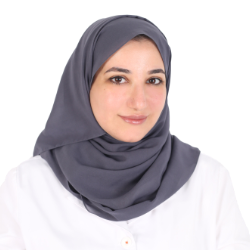 Balkese Alhamad, PhD, Postdoc, Cancer Department, King Abdullah International Medical Research Center (KAIMRC)
Postdoc
King Abdullah Intl Medical Research CtrDr. Balkese Alhamad graduated from University of Manchester. She is a post.doc in KAIMRC located in Riyadh, blood and cancer department specialist in immuno-oncology, main focus is adative cellular therapy.
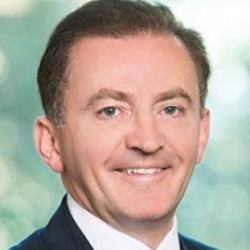 Andrew R. Allen, MD, PhD, Co-Founder & President & CEO, Gritstone bio
Co Founder & President & CEO
Gritstone bioAndrew Allen, MD, PhD, co-founded Gritstone bio, Inc., and has served as President, CEO, and a board member since 2015. In 2009, Dr. Allen co-founded Clovis Oncology and served as CMO until 2015, driving development of Rucaparib, a PARP inhibitor. Prior, he was CMO at Pharmion Corporation, developing Vidaza, the first approved DNA methylation inhibitor, until acquisition by Celgene in 2008. Dr. Allen also served in clinical development leadership roles at Chiron Corporation and Abbott Laboratories, and worked at McKinsey & Company. He currently serves on the board of directors of TCR2 Therapeutics and Sierra Oncology (both public biopharma companies) and Revitope Oncology and Verge Genomics (both private biopharma companies). He previously served on the board of directors of Epizyme (developers of the first approved histone methylation transferase inhibitor) and Cell Design Labs (acquired by Gilead Sciences in 2017). Dr. Allen qualified in medicine at Oxford University and received a PhD in immunology from Imperial College of Science, Technology, and Medicine in London.
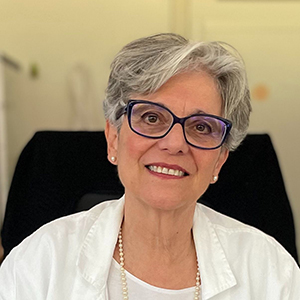 Annarosa Arcangeli, Professor, Experimental Pathology & Oncology, University of Florence
Professor
University of FlorenceSince more than thirty years Prof. Arcangeli has been involved in oncological studies. She got her M.D. degree in 1981, and her thesis contributed to define the cytokinetic charateristics of leukemia cell cycle and growth. During her specialization in Clinical and Experimental Hemathology (1984) and, she started
studies to define the biophysical aspects of leukemias. In 1987, she worked for two years in Prof. Wanke’s laboratory at the University of Milan, where she acquired her skill in electrophysiology. From 1997 to 2007 she spent several time at the MRC Laboratory in Cambridge, UK, to improve her expertise
in molecular biology, especially in the production of transgenic mice and development and engineering of antibodies. Prof. Arcangeli has focused her studies on the definition of the biophysical aspects of cancer cells, reaching the demonstration that potassium channels are pivotal in cancer establishment and
progression. In particular, Prof. Arcangeli has demonstrated that Kv 11.1 (hERG1) channels can be considered oncological targets in different types of human cancers.
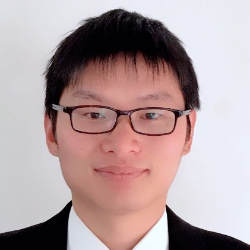 Xiaoping Bao, PhD, Assistant Professor, Chemical Engineering, Purdue University
Assistant Professor
Purdue UniversityDr. Bao is currently an assistant professor at the Davidson School of Chemical Engineering and a member of Purdue Institute for Cancer Research. His research program at Purdue focuses on stem cell bioengineering and immunoengineering. Dr. Bao earned his B.S. degree from Tsinghua University in 2011 and his Ph.D. from University of Wisconsin-Madison in 2016. Prior to Purdue, Dr. Bao was a post-doc fellow at the University of California-Berkeley (2016 to 2018). Dr. Bao was recent awardees of Young Investigator Award 2022 of Cells Tissues Organs Journal, 2023 BMES-CMBE Rising Star Junior Faculty Award, NSF CAREER Award, NIH Stephen Katz Early Stage Investigator R01 Research Project Grant, Showalter Research Trust Young Investigator Award, and Purdue Cancer Center Robbers New Investigator Award.
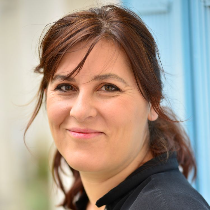 Cecile Bauche, PhD, CSO and Co-Founder, Alaya.bio
CSO and Co-Founder
Alaya.bioCécile Bauche completed her PhD. in Molecular Biology and Biochemistry at Paris University. After post-doctoral fellowships in Paris (Institut Pasteur and ENS), she joined Theravectys in 2007, a spin-off of the Institut Pasteur, at the inception of the company. In 2011 she became the Chief Scientific Officer and in 2012, the authorization of a phase I/II clinical trial was granted for a therapeutic vaccine using lentiviral vector to treat HIV-positive patients. Following the success of the clinical trial (first in production, first in man), the company, under the leadership of Cécile BAUCHE, embarked on an ambitious development program in the oncology field and the construction of a GMP bioproduction unit dedicated to the manufacture of lentiviral vectors. Since January 2016, she decided to put her scientific expertise in immuno-oncology and gene therapy at the service of this new in vivo gene delivery platform, of which she is the inventor.
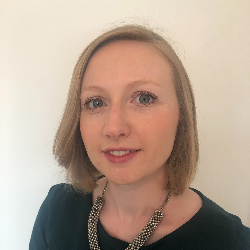 Heather J. Bax, PhD, Postdoctoral Research Fellow, St. John's Institute of Dermatology, School of Basic & Medical Biosciences, King's College London
Postdoctoral Research Fellow
Kings College LondonDr. Heather J. Bax is a Postdoctoral Research Fellow at St John’s Institute of Dermatology, King’s College London. Heather trained at GlaxoSmithKline as an industrial placement and undergraduate project student supporting drug discovery for asthma and allergic inflammation. She completed her PhD in Professor Hannah Gould’s laboratory, King’s College London, focusing on the interaction between IgE antibodies and mast cells in the context of allergic diseases.
As a Postdoctoral Research Associate in Professor Sophia Karagiannis’ laboratory, King’s College London, Heather undertook multidisciplinary research on the ground-breaking pre-clinical development of the first-in-class IgE antibody, MOv18 IgE, for the treatment of Folate Receptor alpha (FRa)-expressing ovarian cancers. In this role, she established and implemented several clinical trial assays to support the now successfully completed first-in-man, Phase I clinical trial of MOv18 IgE (ClinicalTrials.gov Identifier: NCT02546921). Heather also led the pre-clinical studies of CSPG4 IgE, another IgE therapeutic candidate targeting melanoma.
Heather currently supports a translational research programme funded by the King’s College London spinout Epsilogen Ltd (formerly IGEM Therapeutics Ltd.), the first immuno-oncology company focusing on IgE immunotherapies for cancer. Leading a team of two postdoctoral researchers and working closely with colleagues at Epsilogen Ltd., Heather oversees several research studies focusing on the next generation of IgE-based antibodies for the treatment of solid tumours.
As a part of these pre-clinical programs, Heather studies basophils in the tumour microenvironment and in blood from patients with cancer; evaluating their propensity for activation, associations with patient outcomes, and investigating the potential for type I hypersensitivity reactions to anti-cancer IgE therapeutics.
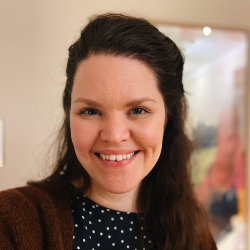 Kaja Christine Berg, PhD, Senior Scientist, Biomarker and Translational Science, Nykode Therapeutics
Senior Scientist
NykodeDr. Kaja Christine Berg holds a PhD in Cancer Genomics from the University of Oslo, Norway, and has 10 years of research experience within translational oncology prior to transitioning into industry. She has a broad experience within oncologically relevant biomarkers in both the academic and industry setting. Currently Dr. Berg is a Senior Scientist and Biomarker Lead in Nykode Therapeutics, focusing on biomarker readouts across Nykode's development programs.
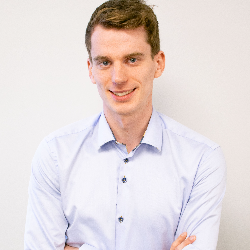 Cedric Bogaert, CEO and Founder, MyNEO Therapeutics
CEO and Founder
myNEO TherapeuticsCedric is CEO, co-founder and member of the Board of Directors of myNEO Therapeutics, a distinguished biotech dedicated to pioneer breakthrough immunotherapies to fight cancer. Over the past years, the company has become a central player in the field of advanced tumour characterisation and target discovery for the development of immunotherapies with novel tumor targets. myNEO is now leveraging its platform technology to tap into clinical developments with novel promising tumor targets carrying the potential to unlock immunotherapy for large cancer patient populations who do currently not respond to immunotherapy.
The team raised its capital from the Novalis biotech fund, and has closed several partnerships with major biopharma companies to further clinically develop its targets.
Prior to myNEO, Cedric was part of different ventures investigating oncology diagnostics (nutri-epigenomics), and computational advancements in genomic fingerprinting. He earned a Masters in Bioengineering and Medical Genetics from Ghent University, and was part of the Life Sciences Industry Group at Accenture Consulting.
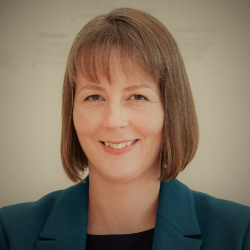 Joanna Brewer, PhD, CSO, Adaptimmune R&D
CSO
Adaptimmune R&DJo Brewer is the CSO of Adaptimmune and has over 20 years' experience in immunotherapy research in oncology. She was one of the founding scientists at Adaptimmune, where she built multiple research teams working on TCR T-cell therapies, including afamicel (MAGE A4) and lete-cel (NY-ESO) products for sarcoma as well as follow on next gen products and an allogeneic platform based on edited induced pluripotent stem cells.
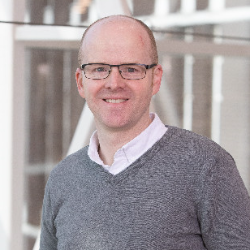 John Bridgeman, PhD, Director, Cell Therapy Research, Instil Bio
Director
Instil BioJohn undertook his PhD with Robert Hawkins and David Gilham at the University of Manchester between 2004-2008. His interests were in the underlying biology of chimeric antigen receptors and next-generation costimulatory CARs. Following on from his PhD John spent some time with the Childrens’ Leukaemia group at Manchester University studying CNS invasion in acute lymphoblastic leukaemia, before moving to the Immunology and Infection Department at Cardiff University under the supervision of Prof Andrew Sewell and Prof. David Price. Here John worked on TCR transfer as a tool to understand T cell biology and improve adoptive cell therapy strategies. John was awarded a NISCHR ISSF research fellowship in 2013 to work on HIV immune responses. In 2014 John took up the position of Research Director at Instil Bio where he has conceived and built various research programs.
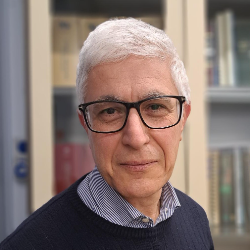 Luigi Buonaguro, MD, Director, Innovative Immunological Models Unit, National Cancer Institute - IRCCS “Pascale†(Italy)
National Cancer Institute - IRCCS “Pascale†(Italy)Dr. Luigi Buonaguro graduated in Medicine and Surgery in 1988 at the University of Naples, Italy “Federico IIâ€; in 1992 he obtained the specialist degree in Microbiology and Virology at the same University. After his postdoctoral training at the Lab of Tumor Cell Biology, NCI, N.I.H., Bethesda MD, USA (Director, Robert C. Gallo), he joined the Lab of Viral Oncology at the National Cancer Institute “Found Pascaleâ€, Naples, Italy; where he was Head of the Oncological Immunotherapy Laboratory from 2001 to 2018. Since 2005 he has held the position of Adjunct Associate Professor, University of Maryland School of Medicine, Internal Medicine Division, at the Institute of Human Virology, Baltimore MD, USA (Director, Robert C. Gallo). Dr. Buonaguro is a member of the following Scientific Societies: Italian Society of Virology (SIV); American Society for Microbiology (ASM); European Association for Cancer Research (EACR); American Association for Cancer Research (AACR); Cancer immunotherapy (CIMT); Society for Cancer Immunotherapy (SITC). Dr. Buonaguro is section editor of the Immunovirology and ImmunoOncology section of the Journal of Translational Medicine. In addition, he is a member of several journal editorial boards. For the past 10 years, Dr. Buonaguro has been working on the development of a preventive/therapeutic vaccine for liver cancer. Since 2013 he has been the coordinator of two European projects (www.hepavac.eu; www.hepamut.eu). The HEPAVAC vaccine was developed and tested in a Phase I clinical trial (https://clinicaltrials.gov/ct2/show/NCT03203005). Currently, he is pioneering the homology between tumor antigens and virus/bacteria-derived antigens (molecular mimicry). According to Expertscape (https://www.expertscape.com), he is in 1st place in Italy, 10th in Europe and among the top 30 Scientists in the World for the item "Cancer VACCINE". Dr. Buonaguro has published, as author and co-author, 210 articles in peer-reviewed international journals (https://pubmed.ncbi.nlm.nih.gov/?term=buonaguro+l&sort=date). H-index is 54 with 10916 citations (https://www.scopus.com/authid/detail.uri?authorId=6602777495). He is the author of 4 international patents.
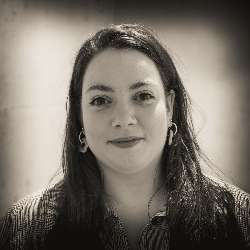 Gwenann Cadiou, PhD Student, INCIT U1302, Nantes University, France
PhD Student
Nantes UniversityGwenann Cadiou is a 4th year PhD student in Immuno-Oncology at Nantes University, France. She started to work on anti-tumor immunity in 2021 in the Team of Nathalie Labarriere, "Anti-tumor T cell responses and Immunotherapy", now part of the INCIT unit (Immunology and New Concepts in Immunotherapy). Her research focuses on the functional optimization of T cell effectors for adoptive cell transfer approaches in melanoma, by studying the impact of PD-1 and TIGIT deletion (two main immune checkpoints) in effector-memory melanoma-specific T lymphocytes.
 Mark L. Chiu, PhD, President, Qilin Glen LLC
President
Qilin Glen LLCMark is a co-founder of Qilin Glen LLC. He was Chief Scientific Officer at Tavotek Biotherapeutics. He has nearly 35 years of experience in new drug discovery for AbbVie/Abbott Laboratories and Janssen. Prior to joining Tavotek, Dr. Chiu was the Head of the Process Analytical Sciences at Biotherapeutics Development and Head of Antibody Engineering in the Biologics Research Department at Janssen, the pharmaceutical branch of Johnson & Johnson (JNJ). His leadership resulted in more than 15 New Molecular Entities with 6 projects transitioning from Phase 1 to Phase 3 trials with 4 approved drugs. Dr. Chiu received his A.B. in Biophysics from University of California at Berkeley; Ph.D. degree from the University of Illinois at Urbana-Champaign, and then completed postdoctoral training at the Laboratory of Physical Chemistry at the Federal Institute of Technology at Zurich, Switzerland and the Department of Microbiology at the University of Basel Biocentre.
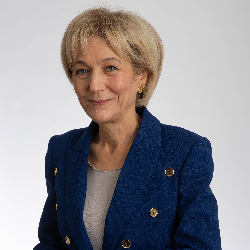 Silvia Comis, MD, Head of Clinical Development and Regulatory Affairs, OSE Immunotherapeutics
Head of Clinical Development and Regulatory Affairs
OSE-ImmunotherapeuticsSilvia Comis is Head of Clinical Development and Regulatory Affairs at OSE Immunotherapeutics. She has many years of international experience and leadership in the pharmaceutical industry with expertise in clinical development and medical affairs in oncology, hematology and immuno-oncology. She was more recently Senior Medical Director at IQVIA, European Head of Early Products Medical Affairs in oncology at Novartis, and Head of Clinical Development at Nerviano Medical Sciences. Silvia is a Medical Doctor, endocrinologist and pharmacologist (Pavia University, Italy).
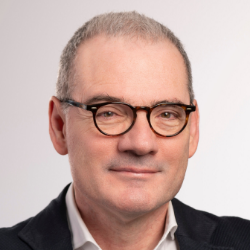 George Coukos, MD, PhD, Director, Department of Oncology, Lausanne University Hospital, and Director, Ludwig Institute for Cancer Research Lausanne Branch, University of Lausanne
Director
Ludwig Institute for Cancer Research, Lausanne BranchProf. Dr. George Coukos is Full Professor at the Faculty of Biology and Medicine in Lausanne, Director of the Department of Oncology at the University Hospital (CHUV) and University of Lausanne (UNIL), and Director of the Ludwig Institute for Cancer Research Lausanne Branch. He is also the Head of Immuno-Oncology at CHUV. A leading investigator in the field of tumor immunology and ovarian cancer, he is the PI of many early-phase clinical studies in cancer immunotherapy. Furthermore, he is interested in elucidating fundamental mechanisms in the tumor microenvironment (TME) that determine the fate of antitumor immunity, focusing on the study of the deregulation of tumor-infiltrating lymphocytes (TILs). These studies are expected to yield novel pharmacologic approaches to restore antitumor immunity as well as novel methodologies to select and expand TILs for adoptive therapy. He is also involved in the study of the tumor vasculature as a barrier to effective T cell infiltration in many tumors, but also as a potential target for therapy. Prof. Coukos is pursuing T cell engineering approaches as a means to address the deregulation of T cells in the TME, and for redirecting them against relevant tumor targets, including the vasculature, with the ultimate goal of translating basic discovery to the clinic.
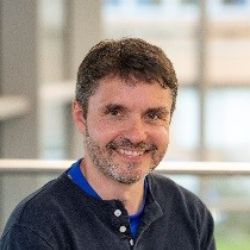 Mark S. Cragg, PhD, Professor, Experimental Cancer Biology, Antibody and Vaccine Group, School of Cancer Sciences, University of Southampton
Professor, Experimental Cancer Biology
University of SouthamptonMark Cragg is Professor of Experimental Cancer Biology in the School of Cancer Sciences at the University of Southampton Faculty of Medicine. His research concerns how therapeutics result in tumour regression with a focus on antibodies and small molecules, with a particular interest in Fc receptors and TNFR family members. The aim is to understand how these therapeutics delete tumour cells, how resistance occurs, and how it might be overcome through antibody engineering. He sits on advisory boards for several charities and institutes, provides advice to several Biotech/Pharma companies, and has published over 200 research papers.
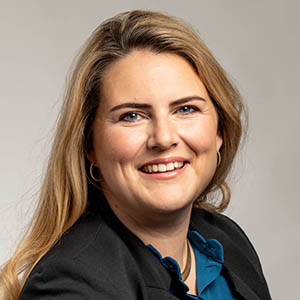 Kirsty Crame, MD, Vice President & Head Clinical R&D, Medigene AG
VP Clinical Strategy & Development
MedigeneKirsty Crame joined Medigene in March 2023 to lead their Clinical department. She brings more than 10 years of experience in drug development and clinical operations, focusing primarily in immuno-oncology and in early phase cell therapy development. Previously she served as Director of Clinical Development at Gadeta, where she led the clinical development efforts for the first in human clinical trials in the US and EU for a TCR-T therapy. Prior to that, Dr. Crame held the Chief Operation Officer role at DiAqua where she headed up clinical and business development of the company’s lead program. Kirsty holds her medical degree from the University of Amsterdam.
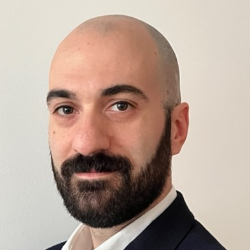 Roberto De Luca, PhD, Head, Therapeutic Antibodies, Philochem AG
Head of Antibody Therapeutics
Philochem AGRoberto De Luca graduated in Biology at ETH Zürich. He performed his PhD studies at ETH Zürich focusing on the generation of antibody-cytokine fusion proteins for the treatment of tumors. Dr. De Luca is author of several peer-reviewed publications in international scientific journals.
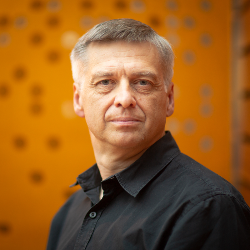 Erik Depla, PhD, Director, Biology, Orionis Biosciences NV
Director
Orionis Biosciences NVErik Depla is holding a PhD in Biochemistry of the Catholic University Leuven (Belgium) and did postdoctoral research on viral hepatitis at the faculty of Medicine in Leuven. Key roles in more than 25 years in biotech included project management for the development of both prophylactic and therapeutic vaccines for viral infections (Innogenetics, now Fujirebio), therapeutic Nanobodies predominantly within the field of infectious diseases and oncology (Ablynx, now Sanofi) and, early lead biologics discovery and target validation (Flemish Institute for Biotechnology). In 2017, he joined Orionis Biosciences as Director Biology to lead the further development of the A-Kine platform.
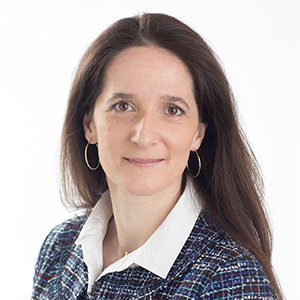 Iulia Diaconu, PhD, CSO, Unikum Therapeutics
Chief Scientific Officer
Unikum TherapeuticsIulia Diaconu, PhD joined UNIKUM Therapeutics as the CSO in May 2023 (Copenhagen Denmark). Prior roles include VP Immunotherapy at Elevate Bio (Boston, USA) and Associate Director Immunotherapy at Bluebird Bio (Boston, USA). Dr. Diaconu was formerly a post-doctoral fellow at Baylor College of Medicine/ Center for Cell and Gene therapy. Dr. Diaconu’s specialties include preclinical development of immunotherapy cell products and oncolytic virus therapies for various oncology indications, cancer research and diagnostic, pathology, GMP cell therapy product validation and production.
Dr. Diaconu received a PhD in Pharmacy from University of Medicine and Pharmacy “Iuliu Hatieganu," Cluj-Napoca, Romania and a PhD in Medicine from University of Helsinki, Finland.
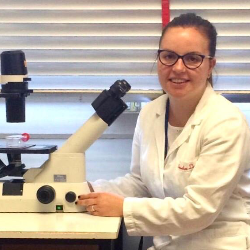 Claudia Duranti, PhD, Scientific Researcher, Experimental and Clinical Medicine, University of Florence
Full Time Researcher
University of FlorenceDr. Claudia Duranti was born in Florence, Italy, in 1988. She received a B.S. in Biological sciences in 2010 and a M.S. in Biomedical Biology in 2013 from the University of Florence, Italy. PhD in Experimental and Clinical Oncology (University of Florence) in 2017, since then, she is a Post-Doctoral fellow at the Department of Experimental and Clinical Medicine (University of Florence). In 2019, she was appointed a two year AIRC (Associazione Italiana per la Ricerca sul Cancro) fellowship to study the development and application of recombinant antibodies for cancer therapy. Her main interests focus on the developing of new molecules targeting cancer-related ion channels and transporters; antibody dye conjugation and 3D culture establishment. Since December 2022, she is a Researcher in General Pathology at the Department of Experimental and Clinical Medicine at the University of Florence.
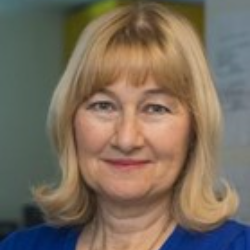 Lindy Durrant, BSc, PhD, Professor, CEO, Scancell Ltd.
Lindy Durrant, BSc, PhD, Professor, CEO
ScancellLindy is Professor of Cancer Immunotherapy and CEO of Scancell Ltd. She has developed two vaccine platforms ImmunoBody and Moditope which induce potent killer CD8 T cells and cytotoxic CD4 T cells respectively. The first ImmunoBody, SCIB1, has completed a phase I/II monotherapy clinical trial in which 14/16 patients with melanoma have been disease free for five years. SCIB1 is now in a clinical trial (SCOPE) in combination with checkpoint inhibitors and is showing clinical responses in the majority of patients. The first product from the Moditope platform, Modi-1, which targets citrullinated vimentin and enolase is in a phase II clinical trial (ModiFY) as either monotherapy or in combination with checkpoint inhibitors. A neoadjuvant trial of Modi-1 in patients with newly diagnosed head and neck patients has just started. Lindy has over 150 peer reviewed publications and is also the inventor on 66 patents.
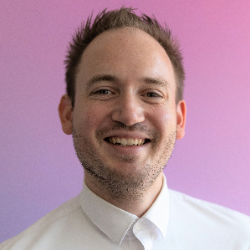 Julian Freen van Heeren, PhD, Senior Scientist, Cells & Antibody Effector Mechanisms, R&D Immunomonitoring Services, Sanquin Diagnostic Services
Senior Scientist R&D
Sanquin Diagnostic ServicesJulian Freen-van Heeren has successfully led many (pre-clinical) studies to support characterization of novel compounds and to study their interaction with the immune system for wanted and unwanted immunomodulatory properties. He is also leading efforts to generate data in pre-clinical and clinical studies for submission to health authorities. Julian, as a member of the R&D team, instigates development of new techniques at Sanquin’s Immunomonitoring Services. He is driving the development of in vitro assays to aid peptide epitope discovery for vaccination approaches and subsequent immunomonitoring. Another of Julian’s key focus areas is investigating therapeutic antibody mode of action by investigating immune cell and complement activation.
Julian acquired his PhD at the University of Amsterdam in 2020. Julian’s vast knowledge and out-of-the-box thinking are substantiated by over 25 first/last author (invited) publications in peer-reviewed journals and renowned book series and invitations to speak at (inter)national meetings. Notably, of relevance is his work on the regulation of (T cell) cytokine production, AAV immunogenicity and novel (analytical) flow cytometric techniques.
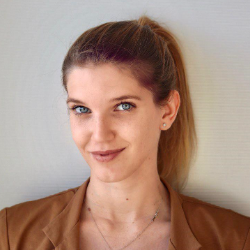 Lucrezia Gatti, PhD Student, Translational Immunology Ctr, University Medical Ctr Utrecht
PhD Student
Univ Medical Ctr UtrechtLucrezia Gatti, PhD Student in tumor immunology at the University Medical Center Utrecht. Working in Clinical Translational Immunology with a special interest on ?d T cells and their potential use as immunotherapies.
 Amélie Guiho, PhD Student, INCIT, Nantes University
PhD Student
Nantes UnivAmélie GUIHO is a 3rd year PharmD & PhD student in Immuno-Oncology at Nantes University, France. She started to work on immunotherapies in 2020 at Genmab (Netherlands) and then began her PhD in 2021 in the Team of Nathalie Labarrière, "Anti-tumor T cell responses and Immunotherapy", now part of the INCIT unit (Immunology and New Concepts in Immunotherapy). Her research focuses on the development of a new vaccination strategy with long synthetic artificial peptides exploiting a “universal†CD4 epitope and immunogenic tumor-specific CD8 epitopes translated from lncRNA like the melanoma-specific antigen MELOE-1.
 Farshad Guirakhoo, PhD, CSO, ExpresS2ion Biotechnologies Aps
CSO
ExpresS2ion Biotechnologies ApsDr. Guirakhoo has 30+ years of broad translational research experience in the vaccine development field. Dr. Guirakhoo was named as no. 22 in The Most Influential People in Vaccines. https://geovax.com/images/pdf/The_Most_Influential_People_In_Vaccines
He is the co-inventor of the ChimeriVax™-technology platform, the world’s first recombinant viral vector platform that was approved for any human vaccine. Dr. Guirakhoo has broad experience in the application of genetics, gene expression technologies and molecular virology for the construction and production of recombinant proteins, human antibodies and attenuated viral vectored vaccines for prevention and treatment of infectious diseases and cancers. He is the author of over 100 peer-reviewed publications and holds dozens of issued patents. Dr. Guirakhoo holds a PhD in Virology from the Medical University of Vienna, Austria.
 Eric Halioua, PhD, CEO, PDC*Line Pharma
CEO
PDC*line pharma SASerial entrepreneur who combines strong strategic, technological and managerial experience with proven track record of deal-making and fund-raising. During his career he achieved together with his different teams to bring four drug candidates from research to the clinics (up to phase IIb). Overall, Eric has raised as of now a total of more than €160 million from VCs and strategic partners in Europe, USA, Japan and Korea and have had numerous successes in the sale and initial public offering of biotechnology companies. He is CEO of the biotechnology company PDC*line Pharma and board member of Essenscia (Bio.be). Eric is co-founder of four biotechnology companies called Myosix (bought by Genzyme mid-2002), Murigenetics, HairClone and Digital Orthopaedics. He is co-Inventor of the first GMP approved mobile manufacturing unit for cell therapy. Eric worked for 12 years in the Healthcare and Life Sciences Practice of Arthur D. Little. Eric holds two master’s degrees in pharmacology and Molecular Biology and a MBA from ESSEC business school (Paris, France), with an advanced degree from the Health Care ESSEC chair.
 Ken Howard, PhD, Associate Professor, Interdisciplinary Nanoscience Center, Head, Bioengineered Drug Designs Laboratory, Aarhus University
Associate Professor
Aarhus UniversityKen Howard is an Associate Professor and Group Leader of the Bioengineered Drug Designs Laboratory at the Interdisciplinary Nanoscience Center (iNANO), Aarhus University, Denmark. The focus of the lab is protein engineered solutions to the delivery requirements of biomacromolecules with albumin the predominant drug delivery platform.
Ken Howard received a PhD in Pharmaceutical Science from the University of Nottingham, UK, and has held postdoctoral positions at the CRC Institute for Cancer Studies, University of Birmingham, UK and the School of Pharmacy, University of London.
 Sebastian Kobold, MD, Professor, Clinical Pharmacology, Klinikum der Universität München
Professor
Klinikum der Universität MünchenProf. Kobold is a board certified clinical pharmacologist and immunologist. He studied medicine in Germany, Switzerland and France. His postgraduate and residency training took him through Hamburg and Boston to Munich. In Munich, he established his research group focussing on cancer immunotherapy with a focus on T cells and antibodies. Since 2016, he serves as an attending physician in the division of clinical pharmacology at the University hospital of the LMU where he was appointed full Professor and deputy director of the division in 2019.
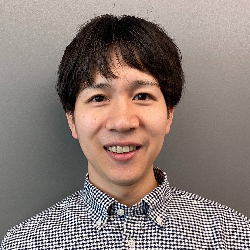 Hikaru Koga, PhD, Research Scientist, Biologics R&D, Chugai Pharmaceutical Co. Ltd.
Research Scientist
Chugai Pharmaceutical Co LtdPhD Degree in Engineering, Tokyo University of Agriculture and Technology 2024. Chugai Pharmaceutical Co., LTD. Research Division, Discovery Biologics Dept. 2015-Present. In Chugai, I experienced lead antibody acquisition by phage library and mainly centered on antibody engineering, such as pH-dependent antibodies, bispecific antibodies.
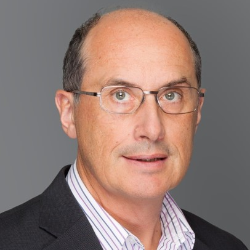 Harald Kolmar, PhD, Professor and Head, Institute for Organic Chemistry and Biochemistry, Technische Universität Darmstadt
Professor and Head
TU Darmstadt BiochemieHarald Kolmar is full professor at the Technische Universität Darmstadt, Germany where since 2005 he heads the Department of Applied Biochemistry. He holds a PhD and habilitation in biochemistry and molecular genetics from University of Tübingen and Göttingen. His current scientific interests mainly focus on protein engineering and design, nanobiotechnology, antibody engineering, chemical biology and development of tailor-made peptides and proteins for applications in diagnostics and therapy.
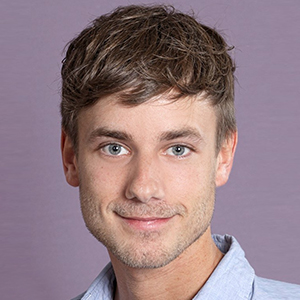 Simon Krah, PhD, Associate Director, Protein Engineering & Antibody Technologies, Merck KGaA
Associate Director
Merck KGaASimon Krah holds a Ph.D. in Biochemistry and works as Lab head and Principal Scientist at Merck KGaA (EMD Serono), Germany, in the Department Protein Engineering and Antibody Technologies (PEAT). He is an expert in antibody discovery, protein engineering and generation of antibody drug conjugates.
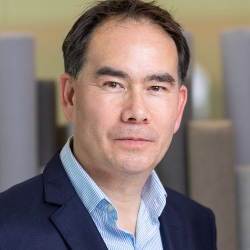 Jonathan Kwok, CEO, Infinitopes
CEO
InfinitopesDr. Kwok is a clinician scientist and Cancer Research UK (CRUK) cancer vaccines fellow at Oxford University. He enjoys more than two decades of professional experience across the fields of oncology, vaccinology, clinical trials, strategy consulting and investment banking. He co-founded Infinitopes Precision Immunomics in 2021, bringing together world leading experts in antigen discovery, T-cell immunology, computation/ML, vaccine design/molecular biology, biomanufacturing and medicines regulation. His mission is to develop accessible, high efficiency vaccines to prevent cancer metastases. Reach out via LinkedIn for partnerships and collaborations.
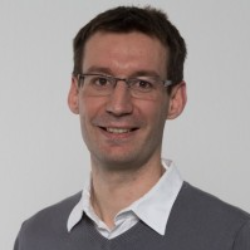 Sebastien Lalevee, PhD, Principal Scientist, Engimmune Therapeutics AG
Principal Scientist
Engimmune Therapeutics AGSébastien Lalevée is a team leader with experience in biotechnology and manufacturing companies. During his career, he has been responsible for the early discovery and CMC development of TCR therapies and antibodies in the oncology therapeutic area. He brings in-depth knowledge of TCR engineering, preclinical safety, and manufacturability. Sébastien holds a PhD from the University of Strasbourg.
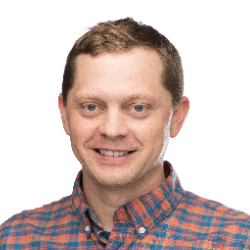 Bradley M. Lunde, PhD, Associate Director, Adimab LLC
Associate Director
Adimab LLCBradley Lunde is an associate director in the Antibody Engineering department at Adimab LLC. He received his PhD from the University of Washington in 2009 and worked as a post-doc at the Max Planck Institute for Medical Research and in several biotech roles in Germany prior to joining Adimab in 2015.
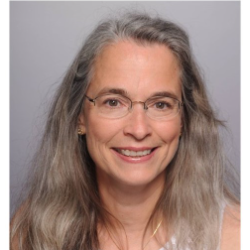 Maria P. MacWilliams, PhD, Vice President Molecular Biology, Tavotek Biotherapeutics
Vice President
Tavotek BiotherapeuticsMaria is Vice President of Molecular Biology at Tavotek Biotherapeutics. She has over 30 years’ experience with synthetic protein design and development of novel cell-based assays. Her scientific career spans many diverse areas of science including protein engineering, structure-function studies of DNA recombinases and nucleases, analyses of small molecule-drug complexes, and environmental microbiology. Prior to joining Tavotek, she held positions in both small (IO Biosciences) and large (Janssen Biologics Discovery) biopharma as well as in academia (U of Wisconsin-Parkside; Seton Hall U). Maria received her B.S. in Biology from Saint Joseph’s University (Philadelphia), her Ph.D. in Microbiology from the University of Illinois at Urbana-Champaign (UIUC), and completed post-doctoral training at UIUC and the University of Basel Biocentre (Switzerland).
 John Maher, PhD, Consultant & Senior Lecturer, Immunology, King's College London; CSO, Leucid Bio
Consultant Immunologist
Kings College LondonDr. John Maher is the scientific founder and chief scientific officer of Leucid Bio. He is also a clinical immunologist who leads the "CAR Mechanics" research group within King's College London. He played a key role in the early development of second generation (CD28) CAR technology while a visiting fellow at Memorial Sloan Kettering Cancer Center, an approach that has achieved clinical impact in haematological malignancies. His research is focused on the development of adoptive immunotherapy using CAR engineered and gamma delta T-cells, with a primary emphasis on solid tumour types. In addition, he is a consultant immunologist at Eastbourne Hospital.
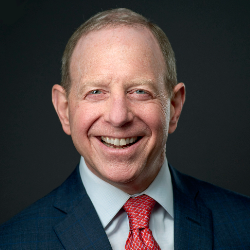 David J. Mazzo, PhD, President & CEO, Lisata Therapeutics
President & Chief Executive Officer
Lisata Therapeutics, Inc.David J. Mazzo, PhD is President & Chief Executive Officer and an executive director of Lisata Therapeutics, Inc. (Nasdaq: LSTA), a company developing an innovative solid tumor targeting and penetrating agent with tumor microenvironment modifying properties to enhance the efficacy of co-administered anti-cancer drugs. Dr. Mazzo possesses 40 years of international experience in the pharmaceutical industry developing and launching new products in all therapeutic areas. He has led multidisciplinary and multicultural teams throughout his career and has acquired a reputation for bringing together disparate groups to reach new heights of performance, efficiency and achievement. Dr. Mazzo’s career includes leadership positions in both big Pharma as well as emerging pharmaceutical companies. For example, he has served as CEO of Regado Biosciences, Inc. (Nasdaq: RGDO), a biopharmaceutical company focused on the development of novel antithrombotic drug systems for acute and sub-acute cardiovascular indications, where he led Regado’s IPO; Æterna Zentaris, Inc. (Nasdaq: AEZS), a publicly held international biopharmaceutical company with sites in Quebec, Canada and the United States; and Chugai Pharma USA, LLC, a biopharmaceutical company and U.S. subsidiary of Chugai Pharmaceutical Co., Ltd. of Japan, a member of the Roche Group (Switzerland). He also served as the Senior Vice President of Development Operations at Schering-Plough Corporation, a publicly held international pharmaceutical company that was subsequently acquired by Merck & Co., Inc.; the Senior Vice President of Global Preclinical Development and then of Global Pharmaceutical Development at Hoechst Marion Roussel, Inc., the US subsidiary of Hoechst AG, which was subsequently acquired by Sanofi, a multinational pharmaceuticals company; and was head of Pharmaceutical Development at Rhone-Poulenc Rorer, Inc., a subsidiary of Rhone-Poulenc SA, a French pharmaceuticals company, which was subsequently acquired by Hoechst AG. Dr. Mazzo has amassed many years of experience serving as an independent director of public and private company boards of directors including Avanir Pharmaceuticals, Inc. (Nasdaq: AVNR), a biopharmaceutical company with a focus on new treatments for diseases of the central nervous system, which was sold to Otsuka Holdings in 2015 and EyePoint Pharmaceuticals, Inc. (Nasdaq: EYPT) a biopharmaceutical company focused on new products for diseases of the back of the eye for which he served as Chairman of the Board for almost 10 years until 2020 and Visioneering Technologies, Inc. (ASX: VTI) for which he was Chairman of the Board until recently having served for 4 years. He is currently Chairman of the Board of Feldan Pharmaceuticals, Inc., a private, Quebec-based therapeutics development company focused on improved means of intracellular deliver of drugs. Dr. Mazzo earned a BA in the Honors Program (Interdisciplinary Humanities) and a BS in Chemistry from Villanova University (USA). In addition, Dr. Mazzo received his MS in chemistry and his PhD degree in Analytical Chemistry from the University of Massachusetts, Amherst. Completing his formal education, he was also a research fellow at the Ecole Polytechnique Federale de Lausanne, Switzerland. Recently, Dr. Mazzo was named a PharmaVoice Top 100 award winner as a Standout Leader. He is bilingual: English (native) and French.
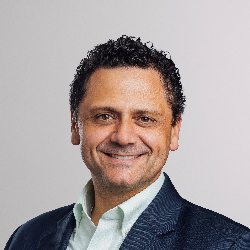 Robert S. Meehan, MD, Senior Director, Clinical Development, Moderna
Sr Dir Clinical Dev
ModernaDr. Robert Meehan is a board-certified physician in oncology and an experienced pharmaceutical executive with over 10 years of leadership experience in biotechnology and pharmaceutical development. He joined Moderna in 2017 to lead the company's efforts to develop mRNA-based medicines including individualized therapies for cancer patients. He was the clinical lead for the oncology portfolio as it entered into clinic and mRNA-4157 INT through the current developments including the breakthrough, PRIME, and ILAP designations. Well experienced in basic, translational, and clinical tumor immunology. Prior to joining Moderna, Dr. Meehan was a staff clinician at the National Cancer Institute in the DTC. He has authored many publications and is an inventor on multiple patents.
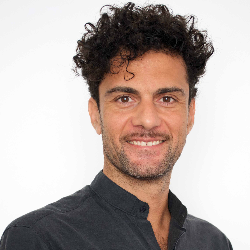 Michele Mishto, PhD, Reader & Group Leader, Immunobiology, Francis Crick Institute
Reader
Francis Crick InstituteInterested in molecular aspects of the T cell mediated imune response and how cells show their antigenic landscape to T cells. My research has a strong multi-disciplinary approach. I have progressed from in silico, to in vivo into the clinic and back again over the last decade. This has been possible by enjoying the collaboration with pioneering researchers, and a passion for everything related to proteasomes. The outcome has been the discovering of the unbearable lightness of spliced peptides (and the curse on those who study them), the complex dynamics of proteasome catalytic processes, the association of immunoproteasomes to neurological diseases and ageing, and the development of methods for investigating noncanonical peptides, among others.
Currently, we lab is located at the Francis Crick Institute in London and I am constantly looking for young brilliant researchers who are interested in joining my team.
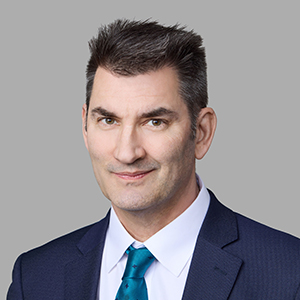 Jonathan D. Moore, PhD, Co-Founder and CSO, Epitopea
Co-Founder & CSO
Epitopea LtdJon Moore was founding CEO of Epitopea and now serves as CSO and is an Operating Partner at Advent Life Sciences. Trained in molecular and cell biology including a postdoctoral spell with Tim Hunt, Jon has spent 20 years in industry in cancer dug discovery with Vernalis, evangelising gene editing as a target ID/validation tool with Horizon Discovery and as co-founder and CEO of remyelination focussed start up, Pheno Therapeutics.
 Dario Neri, PhD, CEO and CSO, Philogen; Professor, Chemistry and Applied Biosciences, ETH Zurich
CEO and CSO
PhilogenDario Neri was born in Rome on 1 May 1963, but grew up in Siena (Italy). He studied Chemistry at the Scuola Normale Superiore of Pisa and earned a PhD in Chemistry at the Swiss Federal Institute of Technology (ETH Zürich), under the supervision of Professor Kurt Wüthrich (Nobel Prize Chemistry 2002). After a post-doctoral research internship (1992-1996) at the Medical Research Council Centre in Cambridge (UK), under the supervision of Sir Gregory Winter (Nobel Prize Chemistry 2018), he became professor at ETH Zürich in 1996.
Dario Neri is currently Full Professor of Biomacromolecules at the Department of Chemistry and Applied Biosciences, ETH Zürich. The research of the Neri group focuses on the engineering of therapeutic antibodies for the therapy of cancer and other angiogenesis-related disorders and on the development of DNA-encoded chemical libraries.
Dario Neri is a co-founder of Philogen (www.philogen.com), a Swiss-Italian biotech company which has brought various antibody products into multicenter clinical trials for the treatment of cancer and of chronic inflammatory conditions.
Dario Neri has published 400 articles in peer-reviewed scientific journals. He is the recipient of the ISOBM Abbott Prize 2000, of the Amgen-Dompe’ Biotec Award 2000, of the Mangia d’Oro 2001, of the Prous Award 2006 of the European Federation of Medicinal Chemistry, of the Robert-Wenner-Prize 2007 of the Swiss Cancer League, of the SWISS BRIDGE Award 2008, of the Prix Mentzer of the French Medicinal Chemistry Society in 2011, of the Phoenix Prize 2014 and of an ERC Advanced Grant in 2015.
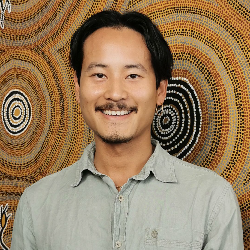 Jin Ng, PhD, Postdoctoral Research Officer, Walter and Eliza Hall Institute of Medical Research
Postdoctoral Research Officer
Walter and Eliza Hall Institute of Medical ResearchDr. Jin Ng (he/him) is a Postdoctoral Research Officer investigating novel immunotherapy approaches for small cell lung cancer (SCLC) at the Walter and Eliza Hall Institute of Medical Research (WEHI), Australia. He obtained his PhD in Biological Sciences (2018) at the University of Auckland, New Zealand, before joining Professor Rod Dunbar’s laboratory where he investigated the efficacy of melanoma cancer vaccines. During this time, he served as a consulting scientist for Gilead Sciences on a Phase II clinical trial for Hepatitis B patients.
In 2020, Dr. Ng joined Professor Kate Sutherland’s laboratory at WEHI where he leads the SCLC research program. This research program employs a multi-pronged approach to analyse SCLC patient biopsy samples and has generated one of Australia’s largest SCLC biobanks. In addition to this, the program utilises sophisticated preclinical SCLC models such as genetically engineered mouse models and patient-derived xenografts and organoids to investigate therapeutic vulnerabilities in immune-competent and patient-relevant settings, respectively. Furthermore, he has established 2D co-culture systems with primary human cells and human SCLC cell lines, a system amendable for the use of patient-derived organoids in future work. His SCLC-related research has been published in Clinical Cancer Research as first author.
Dr. Ng has been awarded a research grant from Cancer Council Victoria Grants-In-Aid (co-investigator; 2024-2027), and philanthropic funding from The CASS Foundation, receiving both a Medicine/Science Grant (principal investigator; 2024), and Travel Award to attend Immuno-Oncology Europe 2024.
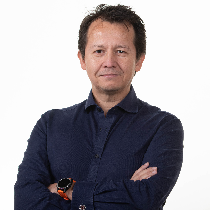 Sergio A. Quezada, PhD, CSO, Achilles Therapeutics and Professor, Cancer Immunology & Immunotherapy, UCL Cancer Institute UK
CSO
Achilles TherapeuticsSergio Quezada is a Professor of Cancer Immunology and Immunotherapy at University College London Cancer Institute and Chief Scientific officer of Achilles Therapeutics. He earned his undergraduate degree in biochemistry from the P. Universidad Católica de Chile and a Ph.D. from Dartmouth Medical School in the US. In 2004, he joined the laboratory of the Nobel Laureate Prof James Allison at MSKCC, where he unveiled mechanisms underpinning the anti-tumour activity of anti CTLA-4 antibodies. His work at UCL focuses in cancer immunology, tumour microenvironment, regulatory T cells and immune checkpoint blockade. His team’s research unveiled the critical role of Fc receptors and the tumour microenvironment in the mechanism of action of anti CTLA-4 antibodies, and he is an inventor of several key patents supporting the clinical development of antibodies targeting immune checkpoints including VISTA, ICOS and CD25. In the last few years, Prof Quezada and his team co-led the development of a first in class Treg-depleting anti-human CD25 antibody acquired by Roche in 2018 and is currently in clinical evaluation against solid cancers. In addition to immune regulation, Prof Quezada’s research also aims to characterization and interrogate immune reactivity and function within the microenvironment of different human cancers including which is helping identify mechanisms of response and resistance to immunotherapy. His work in this area led to creation of a spin off company, Achilles therapeutics, a clinical stage company delivering personalised T cell therapies against cancer. In April 2020 Prof Quezada stepped in as Chief Scientific Officer of Achilles to lead the current and future scientific direction of Achilles. Prof Quezada was a recipient of Dartmouth’s John W. Strohbern Medal for excellence in biomedical research, the Cancer Research Institute new investigator award, a CRUK Career Development Fellowship and a CRUK Senior Cancer Research Fellowship.
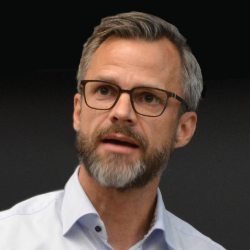 Ulrich Rant, PhD, CEO, R&D, Dynamic Biosensors GmbH
CEO
Dynamic Biosensors GmbHDr. Ulrich Rant received his PhD in biophysics from the Technical University Munich, Germany, in 2005. After a postdoc at TU Munich and a research stay at the Fujitsu Laboratories Ltd., Japan, he became a group leader at TU Munich. Uli was a fellow of the TUM Institute of Advanced Studies and a principal investigator in the Nanosystems Initiative Munich Cluster, both supported through Germany’s Excellence Initiative, and a recipient of various research and technology transfer grants, such as GO-Bio. Uli co-authored more than 70 papers and patents in the fields of biomolecular analysis and nanotechnology and he is a co-founder and CEO of Dynamic Biosensors GmbH, a Munich-based biotech company, which commercializes enabling technologies in the field of biomolecular interaction analysis for drug discovery.
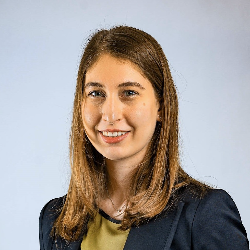 Dilara Sahin, PhD, Postdoctoral Researcher, BoymanLab, Immunology, University Hospital Zurich
Postdoctoral Researcher, BoymanLab
University Hospital ZurichDilara Sahin has obtained her PhD in the field of cancer immunology in the laboratory of Prof. Onur Boyman, at University of Zürich, where she developed a novel cytokine-antibody fusion protein, currently tested in the clinics for treatment of advanced malignancies. She is currently a post-doctoral fellow at the Department of Immunology, University of Zürich. Her main interest focuses on interluekin-2 biology and harnessing its power for cancer immunotherapy.
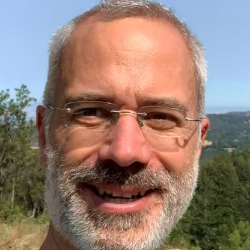 Tilman Schlothauer, PhD, Senior Principal Scientist, Roche Diagnostics GmbH
Sr Principal Scientist
Roche Diagnostics GmbHTilman Schlothauer joined Roche in 2004 as a postdoc in the Department of Biochemistry. He studied chemistry at the University of Marburg. He started his PhD at the University of Freiburg at the Institute for Biochemistry and Molecular Biology and finished it at the Center of Molecular Biology Heidelberg (ZMBH) in 2004. Since 2006, Tilman has been in a group leader position in the Department of Biochemical and Analytical Research and since 2008, also Project Leader in the Technology Project Immune Effector Functions. During this time several new analytical tools have been developed such as SPR assays and affinity columns that supported BLA of GAZYVA in 2014. In addition Tilman was the co-inventor of the LALAPG mutation that is now used in 18 clinical projects.
In the Group Leader position he developed cell-free functional assays for therapeutic protein characterization with respect to target binding and Fc functionality of mAb type therapeutics. In the current Matrix Scientist role Tilman is supporting pRED portfolio projects and coordinating the analytical activities from Li to EiH.
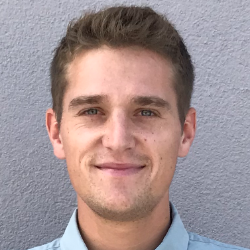 Claudio Schmidt, Research Associate, Cancer Immunotherapy, Roche
Research Associate
RocheClaudio is an immunologist by training and has acquired extensive scientific expertise in human cancer and neuroimmunology through his academic and biotech research endeavors in the US, Austria, Germany, and Switzerland. He has actively participated in T cell-focused projects, ranging from autoreactive contexts to cancer immunotherapy applications, including universal off-the-shelf T cell therapies. In 2023, Claudio joined Roche as a research associate within the cancer immunotherapy department in Zurich where he is dedicated to driving CRS-related initiatives forward.
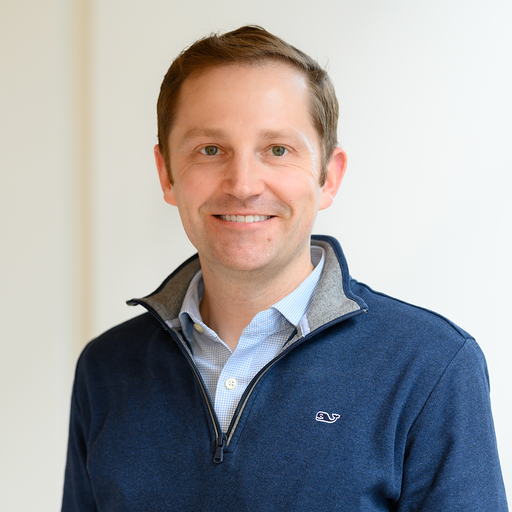 Mike Schmidt, PhD, Chief Scientific Officer, Alloy Therapeutics
Chief Scientific Officer
Alloy TherapeuticsMike Schmidt, PhD is an experienced biotherapeutic discovery and development expert managing technical innovation across Alloy’s platforms, services, and company formation. Previously, Mike was CSO at Ankyra Therapeutics, overseeing development of a differentiated cytokine therapy. Prior, Mike worked at Eleven Biotherapeutics and Compass Therapeutics and received his PhD from MIT, where focused on engineering of antibodies for improved targeting of solid tumors.
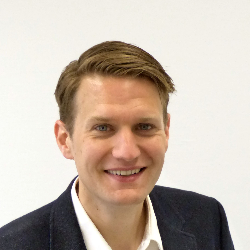 Oliver Seifert, PhD, Senior Scientist, Institute of Cell Biology and Immunology, University of Stuttgart
Post Doctoral Researcher
University of StuttgartOliver Seifert holds a PhD in Molecular Biology from the University of Stuttgart. He is a senior scientist at the Institute of Cell Biology and Immunology of the University of Stuttgart, Germany. Research interests focus on the design and development of multivalent and multispecific antibody platforms and of recombinant bifunctional molecules for tumor therapy.
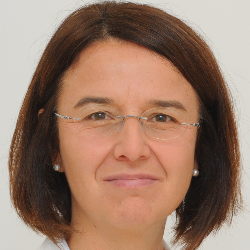 Marta Serafini, PhD, Head, Stem Cells and Immunotherapy Unit, Centro Tettamanti, IRCCS San Gerardo, Monza; Associate Professor, School of Medicine and Surgery, University of Milano-Bicocca
Associate Professor
Centro Tettamanti, IRCCS San Gerardo, MonzaDr. Marta Serafini graduated from the University of Milan, obtained her PhD in Immunohematology from the Open University (UK) and completed her postdoctoral training at the University of Minnesota (MN , USA). In 2005, she received the ISEH Post-Doctoral Award. In 2008, she was awarded the Telethon Career Award and was appointed Telethon Research Assistant at the Dulbecco Telethon Institute (Telethon Foundation, Rome). She is currently Head of the Stem Cell and Immunotherapy Unit at the Tettamanti Research Center, IRCCS San Gerardo, and Associate Professor at the School of Medicine and Surgery of the University of Milano-Bicocca.
She is a member of the teaching board of the PhD in Translational and Molecular Medicine of the University of Milano-Bicocca.
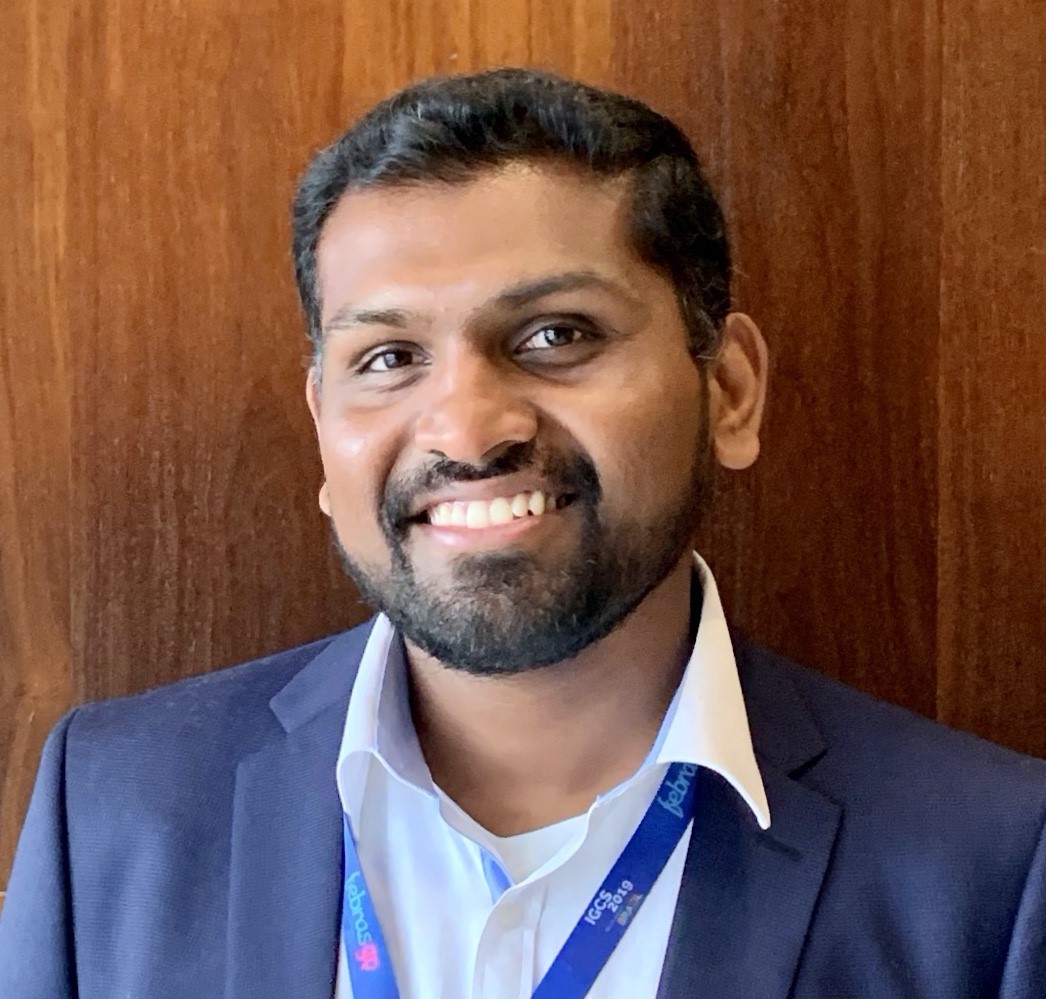 Sakthi Srinivasan, Ph.D., Customer Project Lead, Immuneed AB
Customer Project Lead
Immuneed ABSakthi Srinivasan is a highly experienced biomedical scientist with over 14 years of expertise in drug development, including research and product development. He is committed to delivering effective solutions for non-clinical immunotoxicology evaluations for developing next-generation therapeutics. He is also dedicated to making these evaluations more translatable to humans before they reach the clinical development stage.
 Inge M. Svane, MD, PhD, Professor & Director, National Center for Cancer Immune Therapy, CCIT-DK, Department of Oncology, Copenhagen University Hospital
Prof & Director
Copenhagen University HospitalInge Marie Svane, MD, PhD is Professor in Clinical Cancer Immune Therapy at the University of Copenhagen, Director of National Center for Cancer Immune Therapy (CCIT-DK), and Chief Physician specialized in melanoma at the Department of Oncology at Copenhagen University Hospital, Herlev, Denmark. She has more than 25 years of research experience in cancer immunology and immunotherapy and holds a PhD in basic cancer immunology. She has pioneered the field of cancer immunotherapy in Denmark, building up CCIT-DK, a translational research center in a leading European position.
Her focus of expertise is T-cell based adoptive cell therapy and other cellular therapies, cancer vaccines, and immune regulation, and she has completed more than 20 phase I, II, and III immunotherapeutic trials as academic sponsor.
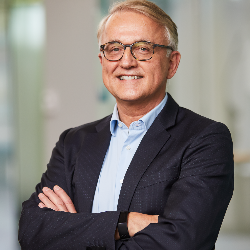 Paul Peter Tak, MD, PhD, FMedSci, President & CEO, Candel Therapeutics
President & CEO
Candel TherapeuticsPaul Peter received his medical degree from the Amsterdam University Medical Center (AUMC) and was trained as an internist and immunologist at Leiden University Medical Center, where he also received his PhD. He worked as a scientist at the University of California San Diego and next served as Professor of Medicine at Amsterdam University Medical Center.
He has published extensively in peer-reviewed journals, received numerous awards, has been elected Fellow of the Academy of Medical Sciences, is Honorary Senior Visiting Fellow at University of Cambridge, and was recognized by PharmaVOICE100 in 2021 and the Medicine Maker 2013 Power List in 2023.
At GlaxoSmithKline he served as Senior Vice President, Chief Immunology Officer, and Global Development Leader (2011-2018). He was also the Chair of the Scientific Review Board. Next, he became Venture Partner at Flagship Pioneering.
In September 2020 he became the President and CEO of Candel Therapeutics, which develops viral immunotherapies. He is currently also on the Board of Sitryx Therapeutics (co-founder; Oxford), Levicept (London) and Chair of the Board of Citryll (Oss).
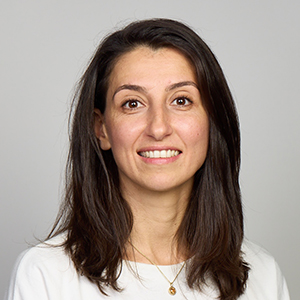 Anna Tocheva, PhD, Assistant Professor, Genetics & Genomic Sciences, Icahn School of Medicine at Mount Sinai
Asst Prof
Icahn School of Medicine at Mount SinaiI am an Assistant Professor at the Department of Genetics and Genomic Sciences and a member of the Tisch Cancer Institute and the Precision Immunology Institute at the Icahn School of Medicine at Mount Sinai. My laboratory integrates cellular and molecular immunological assays with high throughput proteomic and genomic approaches to study the signaling pathways triggered by inhibitory receptors in human T cells. To achieve a personalized view of each patient’s anti-tumor immunity and responses to immunotherapy, my lab develops patient-derived co-culture models incorporating 3D organoids, which reproduce the malignant cell composition of each patient’s tumor, and autologous tumor and blood-derived T cells. This novel platform allows us to translate the findings from our fundamental immunobiology studies of immune checkpoint signaling into functional immunoassays and pre-clinical strategies to augment anti-tumor T cell responses.
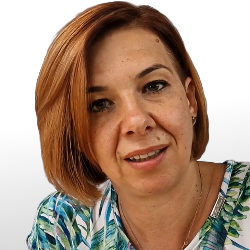 Eniko Toke, PhD, CSO, R&D, Treos Bio Ltd.
CSO
Treos Bio LtdDr. Eniko R. Toke, is the Chief Scientific Officer of Treos Bio Ltd. and has broad interdisciplinary experience of more than 20 years in translational research with special focus on preclinical/clinical immunotherapy development, on the field of cancer, viral infections and allergy. Previously, her research team developed Langerhans cell-targeting immunotherapies, nanomedicine delivery systems, pharmaceutically acceptable polymer syntheses (“novel excipientâ€) and medical device. All of these were applied in clinical drug development. Additionally, she has strong knowledge of FDA regulations, ICH guidelines GMP manufacturing and quality system establishment. Dr. Toke is a graduate of Budapest University of Technology and Economics, Budapest, Hungary (PhD) and of Babes-Bolyai University, Faculty of Biochemical Engineering, Cluj-Napoca, Romania (MSc).
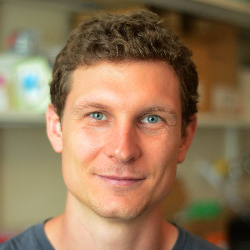 Michael Traxlmayr, PhD, Group Leader, BOKU University
BOKU UniversityMichael Traxlmayr obtained his PhD in the field of antibody engineering in the lab of Christian Obinger, at BOKU in Vienna, Austria, followed by postdoctoral studies in the lab of Dane Wittrup at MIT, where he engineered non-antibody-based domains for specific antigen binding. After returning to Vienna, he started to apply his protein engineering skills in the CAR T cell field. For that purpose, he teamed up with Manfred Lehner from the CCRI in Vienna. In their “CD Laboratory for Next Generation CAR T Cells," they engineer novel protein tools to enable regulation of CAR T cell activity with small molecule drugs and to improve CAR T cell specificity. A novel technology for small molecule-regulated CAR control, which emerged from this collaborative project, was recently awarded as the “BOKU invention of the year 2020.â€
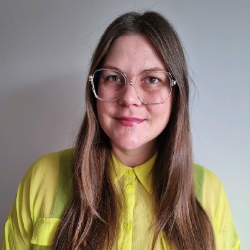 Ida Uddback, PhD, Senior Scientist, Alligator Bioscience
Senior Scientist
Alligator BioscienceSenior scientist with a background in T-cell immunology working with the development of immune therapies and exploring immuno-oncology.
 Thomas Valerius, MD, Professor, Stem Cell Transplantation & Immunotherapy, Christian Albrechts University of Kiel
Prof & Sr Physician
Christian Albrechts University of KielThomas Valerius studied medicine at the University of Erlangen-Nürnberg, Germany. After his training in Internal Medicine, he specialized in Hematology/Oncology and Rheumatology. Since May 2003, he has been working at the Christian Albrechts University in Kiel, Germany, where he is currently the provisional Clinical Director of the Section for Stem Cell Transplantation and Immunotherapy. His main scientific interests have been effector functions of monoclonal antibodies in tumor therapy with particular focus on improving myeloid effector cell recruitment.
 Sjoerd H. Van Der Burg, PhD, Head, Experimental Cancer Immunology and Therapy Group, Leiden University Medical Center
Prof
Leiden Univ Medical CtrSjoerd H. van der Burg, Ph.D. is a professor in experimental cancer immunology and therapy at the department of medical oncology of the Leiden University Medical Center since 2010 and a Senior Investigator of the Oncode Institute since 2019. He leads the experimental cancer immunology and therapy group which performs fundamental, translational and clinical studies focusing on those factors of host-tumor interactions that determine the success and failure in immune control of cancer. His group has published several seminal studies on immunotherapy of cancer, in particular in the context of therapeutic vaccines and (co-)initiated a series of investigator-initiated clinical trials.
 Hans van der Vliet, MD, PhD, Professor, Medical Oncology, Amsterdam UMC, Cancer Center Amsterdam
Professor, Medical Oncology
Amsterdam UMC, Cancer Center AmsterdamHans van der Vliet, MD, PhD is scientific founder and CSO of Lava Therapeutics, a biotech company that develops proprietary V?9Vd2 T-cell engagers, and a medical oncologist and professor at the department of medical oncology of the Amsterdam UMC, Cancer Center Amsterdam.
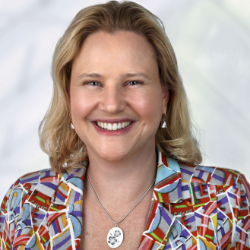 Marjolein van Egmond, PhD, Professor, Oncology and Inflammation, Surgery/Molecular Cell Biology and Immunology, Amsterdam UMC
Professor, Oncology and Inflammation
Amsterdam UMCThe research group of Dr. van Egmond studies antibody activation of innate myeloid immune cells, macrophages and neutrophils, with emphasis on understanding the role of immunoglobulin A (IgA) in physiology and pathology. Her research focuses specifically on (1) the contribution of abnormal antibody responses to chronic inflammation and autoimmunity and (2) monoclonal antibody therapy of cancer. Dr. van Egmond’s research is highly translational and she has a cross appointment with the Department of Surgery and the Department of Molecular Cell Biology and Immunology, to facilitate the rapid progression of preclinical findings into clinical applications.
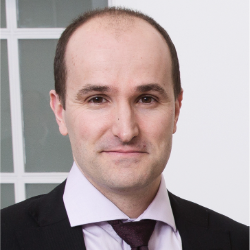 Marc Vendrell, PhD, Professor, Translational Chemistry & Biomedical Imaging, College of Medicine and Veterinary Medicine, University of Edinburgh
Prof
Univ of EdinburghMarc Vendrell is Professor of Translational Chemistry and Biomedical Imaging at the College of Medicine and Veterinary Medicine in Edinburgh. His team has pioneered the design of activatable fluorophores for high-resolution optical imaging in live cells and tissues (>120 papers) and built an ambitious research programme linking physical and biomedical sciences through competitive funding (over £10M as PI, including ERC Consolidator and EIC Transition grants). Vendrell is co-inventor of 12 patents and PI for several licenses and collaborative projects with industry (e.g., AbbVie, BioLegend, Merck, Tocris). Vendrell has a strong record of mentoring and training the next generation of translational scientists, and promotion of junior team members, with several alumni holding independent positions in academia and industry. He has won numerous awards, the latest being the Bader Prize by The Royal Society of Chemistry in 2023. Vendrell currently co-heads the IRR Chemistry Hub at the College of Medicine in Edinburgh as one of the first global hubs for collaborative non-silo’d research to catalyse innovation in medical sciences and accelerate translational outputs.
Group website: www.dynafluors.co.uk
 Wouter P.R. Verdurmen, PhD, Assistant Professor, Medical Biosciences, Radboud University Nijmegen
Asst Prof
Radboud Univ NijmegenDr. Verdurmen studied Biomedical Sciences at the Radboud University in Nijmegen (the Netherlands), where he also obtained his PhD on the cellular delivery of biomacromolecules with Prof. Roland Brock, focusing on cell-penetrating peptides. After finishing his PhD cum laude in 2012, he joined the laboratory of Prof. Andreas Plückthun to work on engineering proteins for cytosolic delivery. In 2016, he moved to the Radboud University Medical Center with an early career grant to start his own independent line of research. In recent years, his work has dealt with various approaches to engineer modular therapeutic proteins for cytosolic protein delivery or to achieve local therapeutic protein production using a viral vector-based approach, mostly focusing on cancer. His work involves the use of advanced microfluidic tumor-on-a-chip systems with innate immune cells to mimic dynamic in vivo tumor characteristics and evaluate immunotherapeutic effects in an in vitro setting.
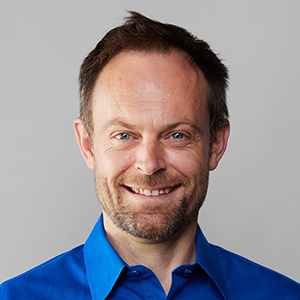 Johannes vom Berg, PhD, CSO, InCephalo Therapeutics AG; Group Leader Immunotherapy, Lab Animal Science, University of Zurich
CSO / Academic Group Leader
InCephalo TherapeuticsJohannes vom Berg is a group leader at the Institute of Laboratory Animal Science (LTK), University of Zurich, Switzerland since 2019. Before that, his main occupation was to direct the LTK transgenic mouse core facility of the University of Zurich from 2014-2018. He studied biology and molecular medicine at University of Freiburg in Breisgau and at the Max Planck Institute for Immunobiology and Epigenetics in Freiburg, Germany with a research stay at the University of Calgary, Canada. Johannes received his PhD from the Institute of Experimental Immunology at the University of Zurich, Switzerland in 2012 where he also worked as a postdoctoral fellow before joining LTK. For his work on the inflammatory aspects of Alzheimer’s disease and immunotherapy of brain cancer he received the best Phd Award 2012 from the Neuroscience Center Zurich and the Herbert Fischer Postdoctoral Price 2014 from the German Society for Immunology. His main research interest is in neuroimmunology, with a focus on local combination immunotherapy of brain tumors and local delivery of biologics. A second research interest revolves around basic immunological studies towards immunotherapy of cancer for companion dogs. His laboratory combines immunology, protein and genetic engineering and various in vivo and ex vivo techniques. Since 2022, he is also working as the CSO of InCephalo Therapeutics, a UZH spin-off developing local immunotherapy approaches for brain cancer.
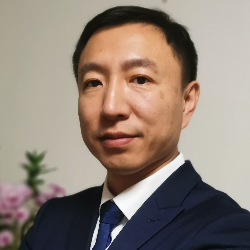 Zhipeng Wang, Vice President of Translational Medicine & Clinical Development, Likang Life Sciences
VP
Likang Life SciencesDr. Wang is an oncologist and clinical pharmacist with 20 years’ experience in global medical and clinical executive with multidisciplinary backgrounds in clinical pharmacology, medical sciences and clinical development, new drug innovative R&D, translational cancer research in institute, biotechs and pharmaceuticals in China and the UK. He supported global drug development and registration of many successful oncology therapeutic agents. He joined Likang Lifesciences at 2022 and leads multi-disciplinary, matrix teams through highly complex decisions, as well as lead or oversee both domestic and international multi-center clinical trials.
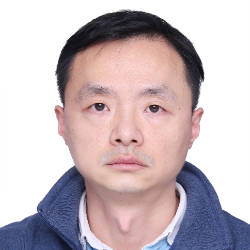 Wei Wang, PhD, Senior Director, Research, T Therapeutics
Senior Director
T TherapeuticsWei Wang is Senior Director of Technology at T-Therapeutics. Ltd. He helped to build the TCR discovery platform to identify, characterize and engineer the TCRs from T-Therapeutics’ proprietary OpTiMus® platform. These ‘optimal’ T cell receptors (TCRs) can be used as building blocks for pioneering cancer therapies. He was previously Director of Antibody Discovery at Shanghai Hengrui Pharmaceutical, where he led the team to establish a single cell BCR-seq based B cell cloning and high-throughput functional screen system in-house. Prior to that, Wei worked for Kymab as a group leader to develop a bispecific antibody platform using a combination of metric expression of bispecific antibodies, high-throughput functional assays, and rational antibody optimization by deep-sequencing and bioinformatics analysis. He completed his PhD in Dr. Allan Bradley’s lab at Wellcome Trust Sanger institute.
 Tom Wilton, Chief Business Officer, Carisma Therapeutics
Chief Business Officer
Carisma TherapeuticsTom joined Carisma Therapeutics in September 2019. He brings over 20 years of pharmaceutical and biotechnology industry experience, including corporate strategy, business development, R&D operations and marketing. Tom most recently served as the Chief Business Officer for LogicBio Therapeutics, Inc., a genome editing company, where he was responsible for leading strategy, business development and intellectual property, and supported a successful initial public offering. Prior to LogicBio, Tom was the Chief Business Officer for The University of Pennsylvania’s Gene Therapy Program, where he completed multiple partnerships that enabled the group to grow to over 250 employees. Tom began his career at GlaxoSmithKline, where he was instrumental in establishing the Rare Disease Business Unit and served in various leadership positions in the US and Europe.
Tom holds a BS from the University of London, an MA from the University of Leeds, and an MS from Brunel University.
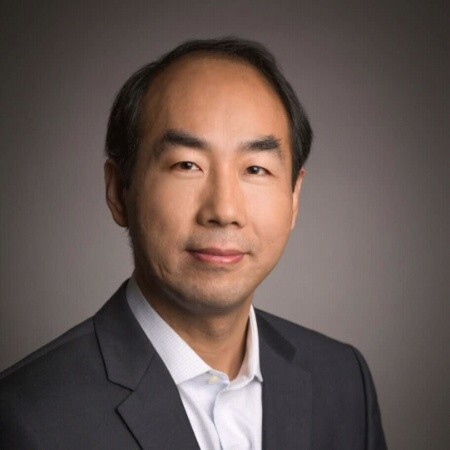 Jiyong Zhang, Head of Business Development, Nona Biosciences
Head of Business Development
Nona BiosciencesDr. Jiyong Zhang is the Head of Business Development of Nona Biosciences. Jiyong has 10+ years’ experience on therapeutic antibody research and bispecific antibody engineering. Jiyong received his PhD in Pharmacology from Okayama University, Japan, and completed his postdoc training at Brown University, US. Prior joining Nona, Jiyong has worked at Alexion and Abbvie focusing on antibody discovery, engineering, and bispecific antibody R&D.
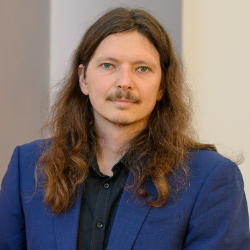 Stefan Zielonka, PhD, Professor, Biomolecular Immunotherapy, Technische Universität Darmstadt
Senior Director
Merck KGaAStefan works as Senior Director at Merck Healthcare KGaA (EMD Serono), Germany, where he heads Global Antibody Discovery and Protein Engineering (ADPE). He holds a PhD in chemistry as well as a habilitation in biochemistry. In addition, he is Professor of Biomolecular Immunotherapy at Technical University of Darmstadt.